- CarPlay Ultra to revolutionize in-car technology, available beyond luxury brands.
- Automakers will enhance companion apps for improved user experience and control.
- AR displays and electric trailers are new technologies set to change the automotive industry.
The
automotive
industry has always been a fast-paced market, with new technological advances being made day in and day out to meet needs customers didn’t even know they had. This year, though, looks to mark a significant shift towards what brands are offering as far as consumer-focused technology as opposed to simple
performance upgrades
.
Automakers
are trying to make cars easier to use than ever before, and they’re getting incredibly creative in how they’re trying to achieve this goal. So creative, in fact, that you might not notice some of these features if I didn’t tell you about them.
CarPlay Ultra is here to stay
Don’t worry if you don’t drive an Aston Martin, CarPlay Ultra will be widely available sooner than later
While
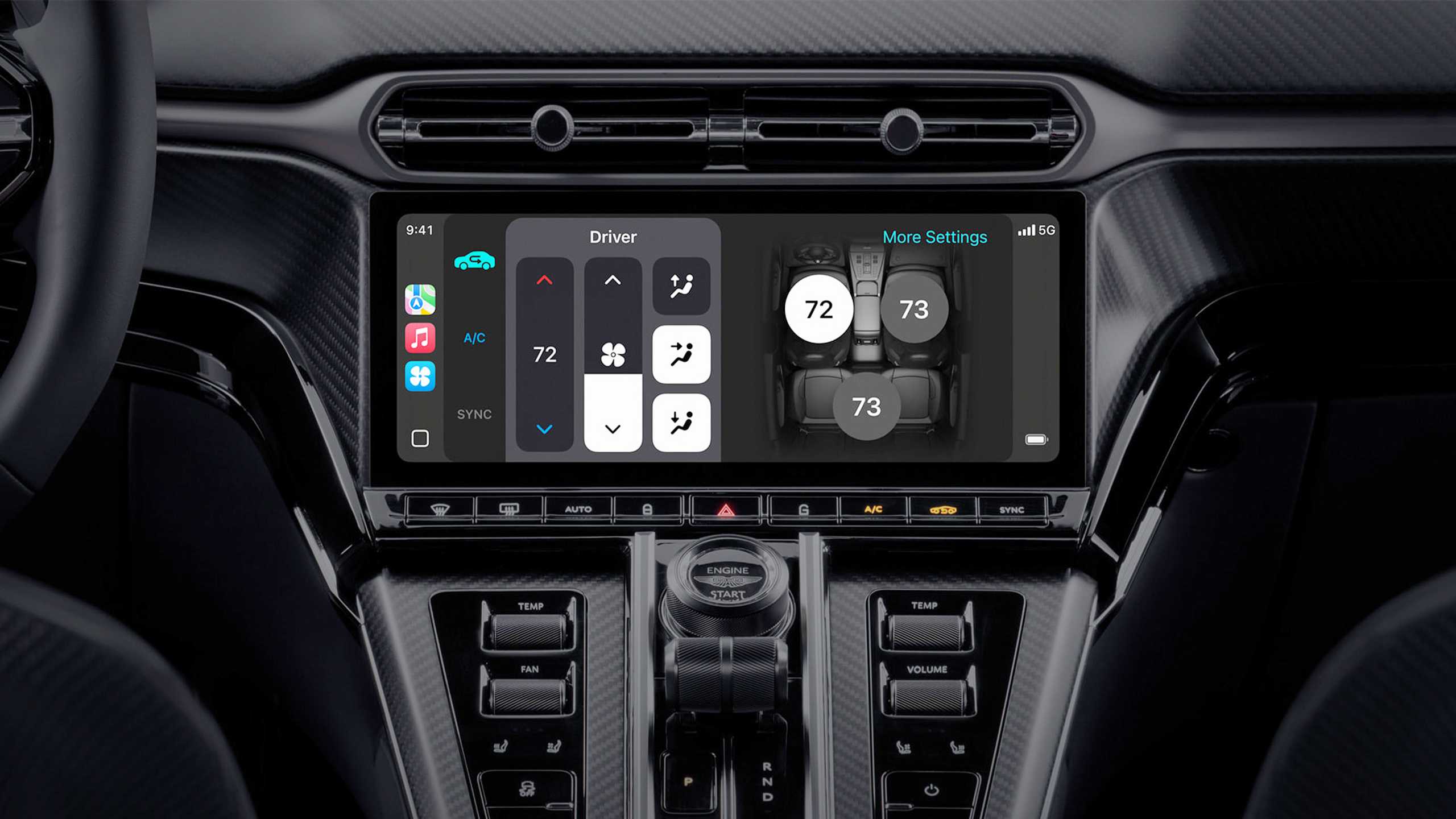
Aston Martin is the only brand
with a fully functioning CarPlay Ultra capacity at the moment, Apple has said that the company is working tirelessly with other automotive manufacturers to bring this technology to other new models. This is the next step forward in terms of user-friendly infotainment systems, and I predict that by the model year 2030, it will be nearly standard on all vehicles, just like CarPlay is standard today.
With the ability to control cabin climate and other tedious tasks being passed on to automated assistants like Siri, CarPlay Ultra will change the way that people stay connected on the road. With more affordable brands like Ford, Hyundai, and Kia set to implement the technology in the near future, CarPlay Ultra looks to be the ultimate connectivity experience on the open road. I know it will make my road trips much more enjoyable, that’s for sure.
Enhanced automaker apps
More manufacturers are focusing on improving their apps and connectivity features

For the longest time, apps were gimicky ways that automotive manufacturers could make you feel more connected to your car. Traditionally, they were limited in terms of functionality, and were fairly useless in the grand scheme of things. However, Rivian and other forward-thinking manufacturers have changed that, and it’s becoming a more popular trend as the market evolves. For now, I’ll stick with Rivian, as they have the best pound-for-pound companion app in the business. Don’t believe me? Just ask MotorTrend. It was their
2025 Automaker App of the Year
.
From within the app, drivers can control just about every minute detail about their Rivian, including the optimum temperature to set the air conditioning to before getting in. I’m particularly interested in this feature, as in my 2022 Volkswagen, it’s always a guessing game as to what temperature I had my air conditioning set on before I began my autostart. This takes the guesswork out of the process, and provides much more in-depth information than any other companion app out there. You can even schedule maintenance and run live diagnostics right there in the app.
I would imagine luxury manufacturers like Mercedes-Benz or BMW following suit sooner rather than later.
New augmented reality displays
Cars are going to give you more information than ever before
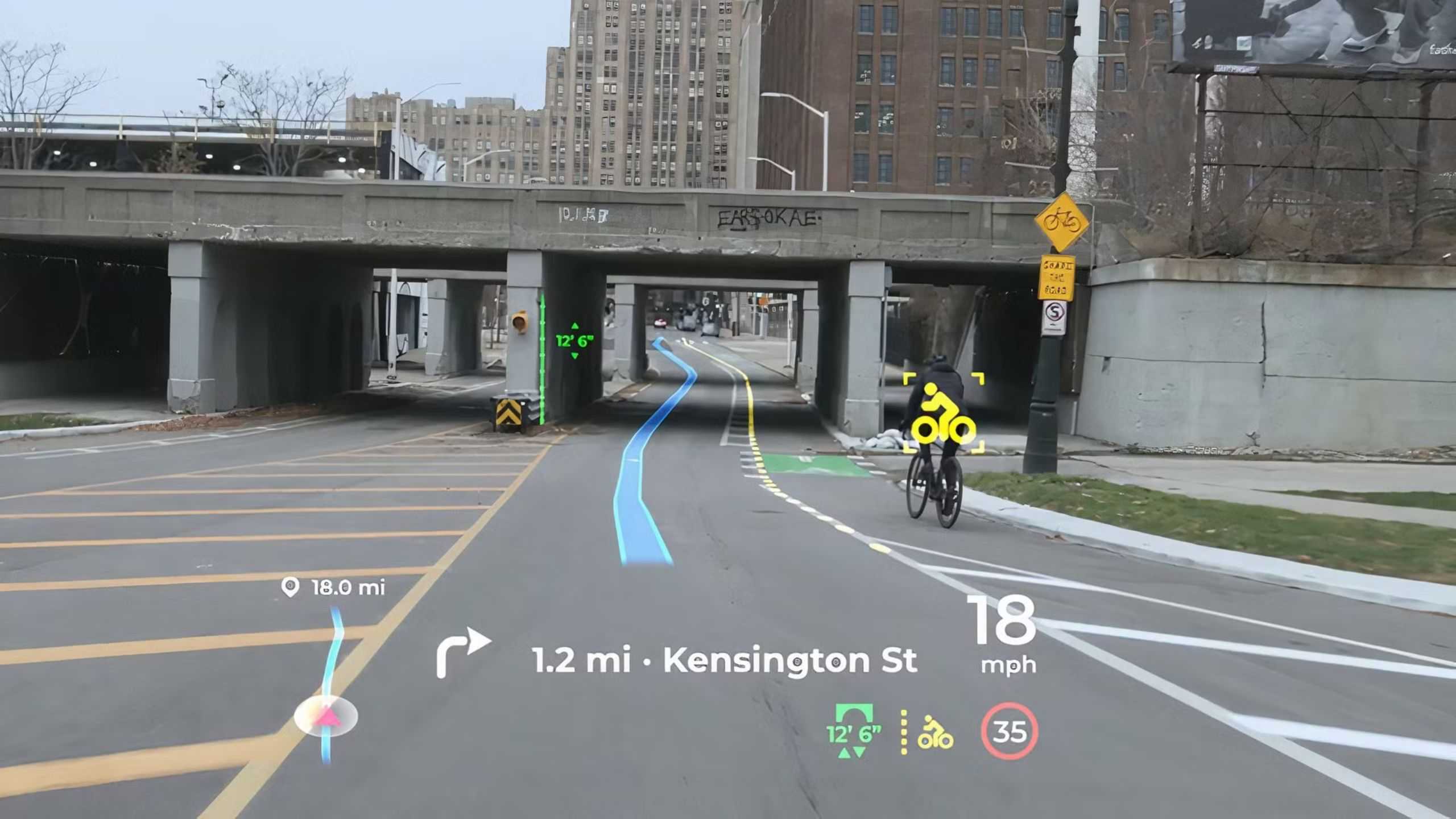
While I can’t promise that this technology is going to be standard on any production vehicle in 2025, what I can tell you is that enough money is being poured into augmented reality display research and testing that manufacturers see it as a real opportunity to move forward in the automotive space. The AR and VR market is expected to reach
over $670 billion in total value
alone, and some manufacturers like BMW and Mazda have already implemented lighter versions of AR in their Heads-Up Displays.
When the HUD became a relatively standard feature, this was the next logical step for manufacturers. For those worried about information overload, though, you should still be able to option this technology off of your daily driver. However, if you want to know everything there is to know about your surroundings, augmented reality displays are the future of that technology. As the devices we carry with us become more advanced, we expect cars to tap into that same capability to enhance the driving experience.
Electric travel trailers
The camping world is catching up with automotive manufacturers

The camping industry is huge. There’s a reason that heavy-duty trucks are still selling despite their increasingly rising prices, after all. But
Pebble
, a California-based electric RV manufacturer, is looking to change the industry “from the road up.” By using the same type of electric motor technology, Pebble is looking to make the process of owning, setting up and taking care of an RV a much easier process. The biggest detractor from owning a camper for most people is essentially keeping up two homes — one on wheels and one not. However, if you think this isn’t a piece of car tech and just a camper, you’re dead wrong.
This not-so-little trailer is different. Using the power of electric motors, Pebble trailers offer towing assistance to the vehicle they’re hooked to, can self-level when you get to the campsite, and even maneuver a tight spot all on their own. The concept of the Pebble trailer was unveiled at the
Consumer Electronics Show in 2024
and was back again in 2025 after further testing, and more news is expected to come out about the Pebble trailer throughout this year.
Elaphe in-wheel electric motors
As the most risk-rewarding tech on the list, there’s still some work to do on this groundbreaking platform

As motorsport goes, so, too, tends to go the industry shortly after, and one of the newest advancements in EV technology is the implementation of in-wheel electric motors.
Elaphe
has been pioneering this movement for a while, and despite the detractors who say that every pothole places an in-wheel electric motor at risk, the company keeps pushing onward to develop a lighter, more powerful way to push electric power onto the road.
The reason I am bringing motorsport into the conversation is that Formula One is seriously looking at this technology in order to bring the hybrid power of its race cars even further to the forefront of the sport. If Elaphe and other companies can make these motors durable enough to survive a crash at 190 miles per hour or a rally run through the Sahara, then I’m more than confident a pothole or two won’t spell their demise.
One of the biggest limiting factors of an EV is its weight, and these motors look to not only drastically decrease that weight, but also, to be more intentional about where that weight is placed on the car, creating better weight distribution for more performance in a real world setting. These five innovations could be leaps forward for the automotive industry as a whole, as drivers look to be more connected to their cars than ever before with cutting-edge technology at their fingertips.