The last time I looked, there were at least 35 various smart home gadgets scattered throughout my house. The majority of these are
smart lights
Or streaming gadgets, but I additionally possess multiple smart speakers, screens, and various other devices. Don’t forget about our array of intelligent cameras which we utilize to monitor the property and exterior areas when away for extended periods.
The issue is that all the components I’ve discussed are managed by separate apps or services. Despite my efforts to maintain organization, like using Philips Hue for smart light bulbs along with a few others,
Nest Cams
To keep an eye on the exterior of my house.
Even though I have no problem with having multiple apps on my phone, my spouse doesn’t feel the same. Each time we introduce a new service, I find myself helping her get signed up and hoping everything functions correctly.
Lately, I finally concluded that it was time to fully commit to Home Assistant. You see, I have indeed been running a Home Assistant setup on an older machine for some time now.
Raspberry Pi 4
for some time, but I’ve just been too lazy busy to take the time and finish getting everything set up.
Nest, HomeKit, Alexa, Matter, and more

The promise of Home Assistant is that it can act as the central hub for practically any smart device in your abode. And when I say “smart device,” I mean almost anything that connects to the internet in some capacity. In addition to that,
Home Assistant
works with various “protocols” such as Matter, Thread, Zigbee, HomeKit, Nest, etc.
While improvements have been made to improve multi-protocol integration, none of them have managed to make good on the promise of a seamless smart home. Plus, the only company that seems to even care about releasing new products on a semi-regular cadence has been Amazon. Google’s too wrapped up with
phasing out Assistan
t in favor of Gemini, while Apple is content with living inside the Vision Pro.
Installing Home Assistant is as easy

When beginning, you have several choices. The simplest option is to simply grab the ”
Home Assistant Green
,” offering a plug-and-play solution, as you just need to plug in the power and Ethernet to get started. However, if you’re willing to do a bit of tinkering, you can install Home Assistant yourself on a single-board computer (SBC), like the Raspberry Pi.
Or, you can spin up a Virtual Machine on your computer and install it that way. Seriously, there are even more methods, which go to show just how versatile this service really is. No matter what you install Home Assistant on, just make sure it has a constant network connection, otherwise, it’ll only work when your computer is turned on.
As I mentioned earlier, I have Home Assistant operating on a Raspberry Pi that’s directly linked to my router. To be precise, I’m using the Home Assistant Operating System because it provides greater flexibility for installing and utilizing additional integrations compared to a regular setup. Nonetheless, if you’re just starting out, I’d suggest considering an alternative approach.
HA Container or Core
.
There are numerous activities you can engage in.

Once Home Assistant is running, you’re presented with a pretty basic-looking home page, but that’s kind of the point. It’s not just a way of tying all of your smart home devices together. But it can consolidate all of the switches, toggles, and controls into a single location, removing the headache of flipping through pages of apps.
But wait! There’s more!
Say you prefer the way that the Google Home app works, but obviously, you couldn’t integrate a certain platform. This can solve that problem too! With a bit of time and patience,
Home Assistant Cloud
Additionally, the integrated Voice Assistant function enables you to “reveal entities,” which allows those non-compatible devices to show up inside the Home application.
And
Once the add-on is configured, you can manage even Apple HomeKit devices with either Assistant or Alexa.

What’s great about this is that it could be a short-term solution addressing several issues, or it might turn into an ongoing weekend endeavor with endless possibilities. It offers impressive features like monitoring your Amazon packages, configuring location-triggered automations, and even remotely powering on your computer.
Despite having everything hooked up, you can elevate your experience by designing a personalized dashboard. There are those who have taken this even farther.
turn an old Kindle
onto a simple smart display that shows the weather and scheduled calendar events, installed on the wall.

If you lean towards a conventional system such as Google Home or Amazon Alexa, consider this an upgrade. However, for individuals seeking unparalleled customization alongside extensive native features, Home Assistant stands out. It delivers precisely what was anticipated from Matter and extends beyond our imagination.
Filling the gaps
Following the latest updates regarding
Google dropping support
for the first two Nest Thermostats, paired with very few new product releases, you might be looking outside of the Nest ecosystem. Well, thanks to Home Assistant, it doesn’t mean that you’ll be left to figure out how to use a completely different app.
In addition, with the rollout of Android 14, came the capability to
personalize your lock screen quick actions
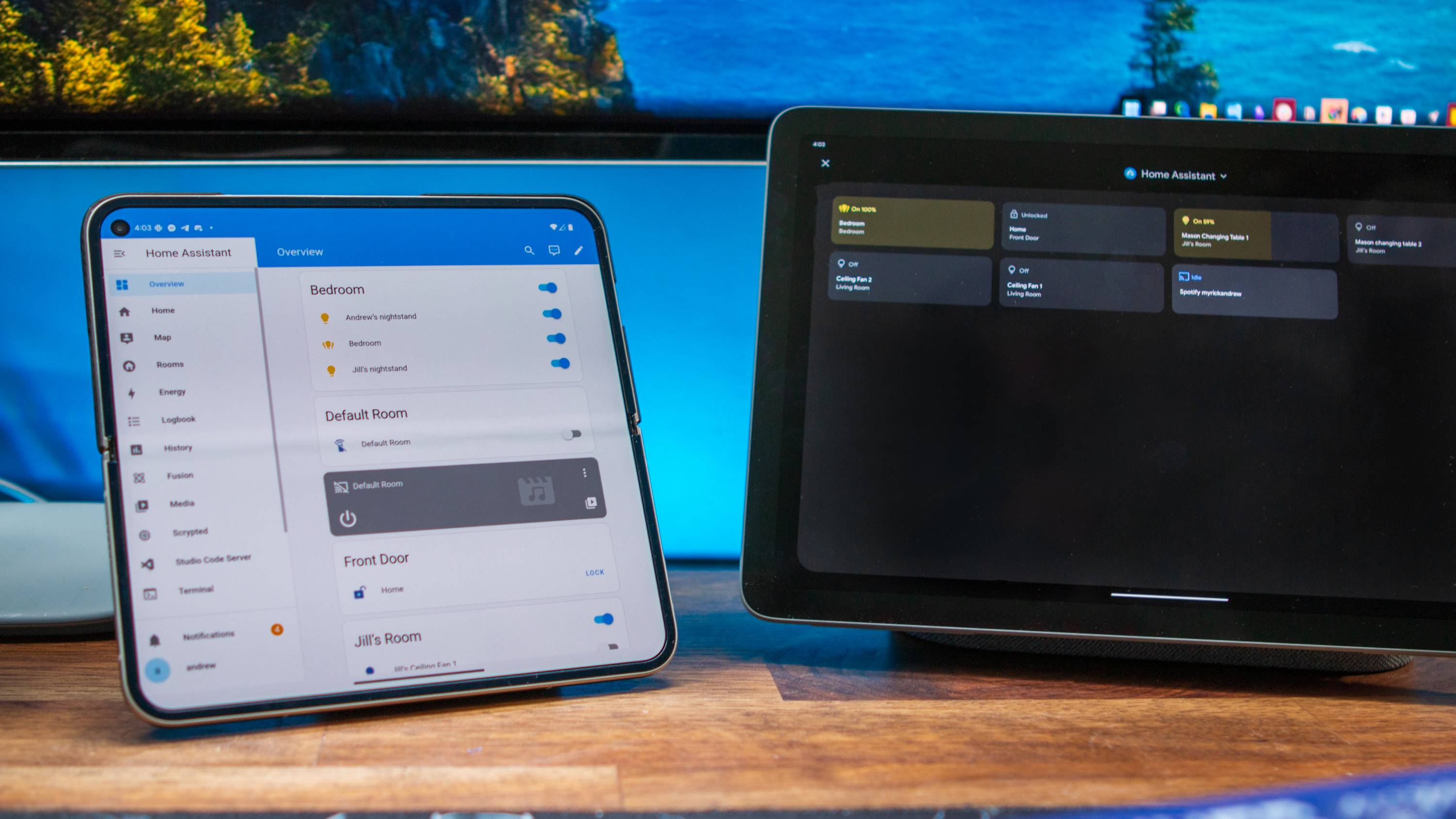
, which means you could substitute the Google Home app on your phone with something else, perhaps the Home Assistant app. That’s precisely what I’ve done on both my setups.
Pixel Tablet
and
Pixel 9 Pro Fold
, and I couldn’t be more delighted. There’s also a Home Assistant app available for Wear OS, which truly adds extra appeal at this stage.
If you’re prepared to dive into this topic, keep it straightforward and read the
documentation
First, get acquainted with the fundamentals and dive into the interface. After you gain a clearer understanding of what can be done, allow your inner innovator to flourish and enjoy experimenting with it. Remember, though, that great achievements take time; thus, constructing your new smart home experience won’t happen overnight.
-
Phone deals:
Best Buy
|
Walmart
|
Samsung
|
Amazon
|
Verizon
|
AT&T
Enjoying this article? To read more stories like this one, follow us on MSN by tapping the +Follow button at the top of this page.