The Hidden Metals in Your Phone and the Challenge of Refining Them
Most people don’t think about the metals that power their devices. Yet, these tiny bits of cobalt, nickel, and other essential elements keep your phone charged, your car running, and your smartwatch functioning. The issue is that the refining of these materials often happens far from the United States, raising concerns about both economic and national security.
Enter Nth Cycle, a Boston-based company co-founded by MIT researchers Desirée Plata, Megan O’Connor, and Chad Vecitis. This startup is tackling the challenge of extracting critical metals from waste using a groundbreaking process known as electro-extraction. As O’Connor explained, “America is an incredibly resource-rich nation; it’s just a matter of extracting and converting those resources for use. That’s the role of refining.”
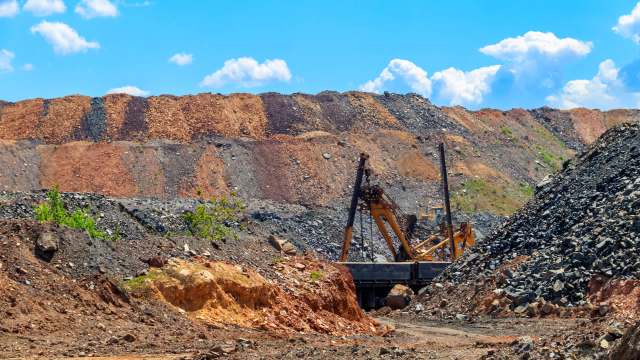
Why Refining Matters
Currently, about 85% of these metals are refined in China, which has created a dependency that many experts consider problematic. O’Connor emphasized, “It’s an economic and national security issue for us. Those materials are required components of multiple industries. Everything from our phones to our cars to our defense systems depends on them. I like to say critical minerals are the new oil.”
This reliance on foreign refining highlights the need for more sustainable and localized solutions. The traditional methods involve shipping electronic waste overseas, where it is processed in large-scale facilities using heat, acids, and bases. These processes are not only energy-intensive but also have significant environmental impacts.
A New Approach to Metal Recovery
Nth Cycle’s innovative solution involves a portable refining system called The Oyster. This device operates next to recyclers or manufacturers, eliminating the need to ship scrap across the ocean. Instead, it uses electricity, chemical precipitation, and filtration—methods that are much cleaner than traditional approaches.
Plata noted, “Electro-extraction is one of the cleanest ways to recover metal.” The Oyster has already started processing over 3,300 tons of scrap each year in Ohio, demonstrating the potential for scalable and sustainable practices.
The Role of Innovation and Research
The Department of Energy recognized the promise of Nth Cycle early on. When Plata joined MIT in 2018, the company entered its STEX25 startup accelerator. Plata highlighted the importance of being at a place like MIT, stating, “What’s so important about being at a place like MIT is the entrepreneurial ecosystem and the ‘tough tech’ ethos of Cambridge.”
Nth Cycle currently focuses on recovering metals from batteries, but O’Connor has grander ambitions. “The only two places you can get those materials are from recycling and mining, and both of those sources need to be chemically refined. That’s where Nth Cycle comes in,” she said.
Looking Ahead
As the demand for electric vehicles and renewable energy technologies grows, the need for efficient and sustainable metal recovery will become even more critical. Companies like Nth Cycle are paving the way for a future where critical minerals are sourced and processed locally, reducing environmental impact and enhancing national security.
Next time you’re scrolling through social media on your phone, consider the journey of the metals inside. Thanks to innovators like Nth Cycle, these materials are being recovered in a cleaner, more sustainable way, ensuring they’re ready for your everyday life.
Stay informed with the latest developments in technology and sustainability by joining our free newsletter. Get weekly updates on innovations improving our lives and shaping our future. Don’t miss this cool list of easy ways to help yourself while helping the planet.