Understanding the Differences Between Manual and Automatic Espresso Machines
As a coffee enthusiast, I’ve spent countless hours testing various espresso machines, from manual to superautomatic models. My experience as an ex-barista has given me a deep understanding of the brewing process, but I’ve always found automatic espresso machines lacking in terms of flavor. However, after speaking with industry experts, I’ve come to realize that the issue isn’t necessarily with the machines themselves, but rather with the user’s approach and personal preferences.
The Role of Human Interaction in Coffee Brewing
According to Anna Batten, a Product Manager at Smeg/La Pavoni, the primary difference between manual and automatic espresso machines lies in the level of human interaction required. “An automatic machine will be set up to prepare a consistent espresso for you, measuring the dose, tamp pressure, and duration of extraction,” she explains. In contrast, manual machines require the user to handle these steps themselves. This means that while automatic machines can produce reliable results, they may not offer the same level of customization or control.
Shonali Paul of Paul John Indian Caffeine Company adds that automatic machines follow a set process, which limits the ability to tweak brewing methods. “You can’t change or tweak anything about the brewing methods,” she says. “However, it will give you any coffee at the touch of a button without having to guess any rations or grinds.”
The Science Behind Perfect Espresso
Making a perfect shot of espresso involves a combination of science and art. Anna emphasizes the importance of grind size, quantity of coffee, and tamping pressure. “The general rule of thumb is that lighter roasts need a finer grind, and darker roasts require a coarser grind,” she explains. The ideal texture for espresso should resemble honey, indicating a balanced extraction.
Tamping pressure is also crucial. Anna notes that the pressure should be around 13-14kg and evenly applied to prevent channelling, which can lead to uneven extraction. While both manual and automatic machines require these steps, the difference lies in who controls them.
Why Automatic Machines May Taste Different
Despite the similarities in brewing processes, automatic machines often produce a different taste compared to manual ones. This discrepancy can be attributed to the lack of human input. “Grind, dose, and tamp all contribute to the overall pressure — and therefore flavor — of espresso,” Anna says. “If your espresso was under extracted, you might find this to be weak, maybe a bit sharp or sour, whereas if this was over extracted, it might taste burnt and bitter.”
Automatic machines are designed to reach 9-bar pressure consistently, which is essential for proper extraction. However, manual machines offer more room for error, as each step relies on the user’s skill and attention to detail.
The Human Touch: A Key Factor
For many coffee lovers, the human touch is what makes the difference between a good and a great cup of espresso. With manual machines, users have the freedom to fine-tune every aspect of the brewing process to suit their personal tastes. Whether it’s pulling a lungo for a bigger coffee or adjusting the grind size for a richer shot, manual machines offer a level of customization that automatic models cannot match.
Anna highlights that automatic machines are ideal for those who prioritize convenience and consistency. “They save you time and effort,” she says. “If you want to fully adjust the coffee you are creating, an automatic machine wouldn’t be the correct model to choose, and a manual machine would be better suited to the user’s needs.”
Choosing the Right Machine for Your Needs
Ultimately, the choice between manual and automatic espresso machines depends on individual preferences and lifestyle. For those who enjoy the process of making coffee and value customization, manual machines are the way to go. On the other hand, for individuals who want a quick and reliable cup of coffee, automatic machines are a practical solution.
Anna suggests that experienced baristas may prefer manual machines, as they can achieve superior results with the right equipment and techniques. However, for beginners or those with limited time, automatic machines can provide a convenient alternative.
Recommendations for Automatic Espresso Machines
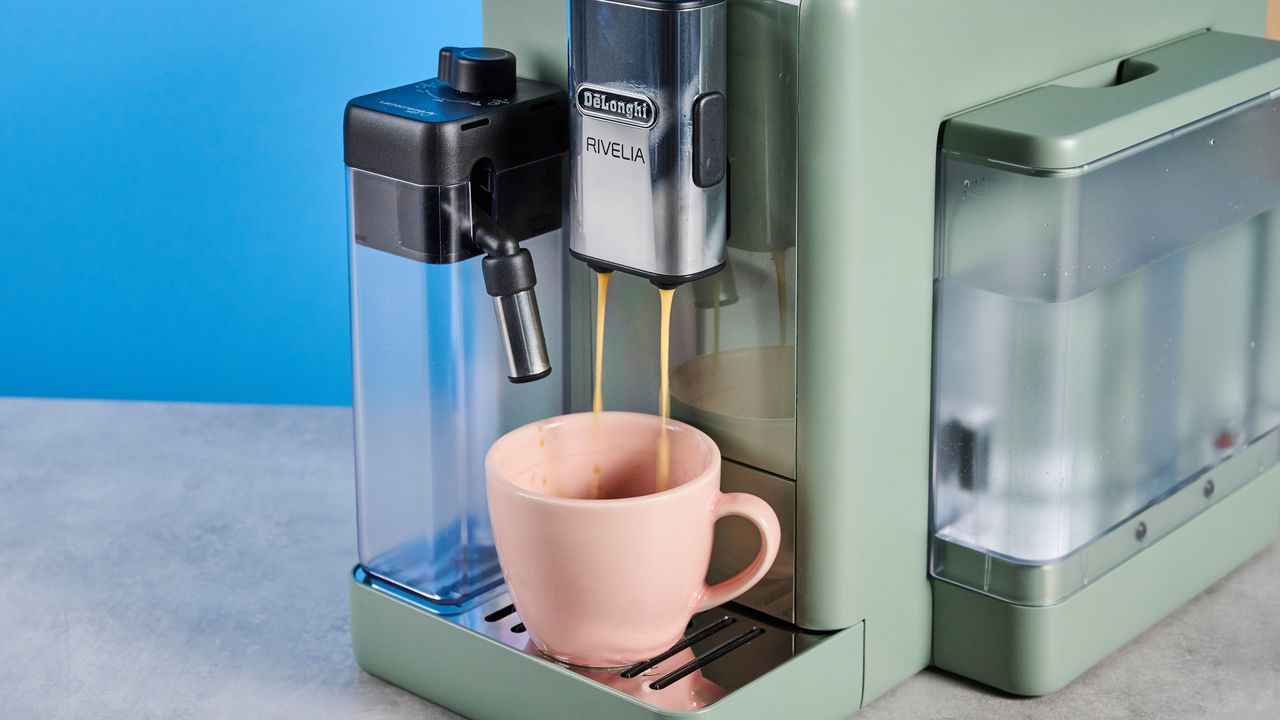
While I personally prefer manual machines, I have tested several automatic models and found some that deliver excellent results. The KitchenAid KF8, for example, offers a balanced flavor profile and a user-friendly interface. The De’Longhi Rivelia, with its Bean Adapt feature, allows for greater control over the brewing process. Both machines are worth considering for those looking for a reliable and efficient option.
For manual enthusiasts, the Breville Bambino Plus is an excellent starting point. Its compact design and ease of use make it ideal for beginners, while still delivering delicious espresso.
In conclusion, whether you choose a manual or automatic espresso machine, the key is to find one that suits your lifestyle and taste preferences. While automatic machines may not appeal to everyone, they can still produce high-quality coffee when used correctly. As the coffee industry continues to evolve, there will likely be more options available for consumers to explore.